
Sustainable Energy Solutions for Remote Communities
Access to reliable electricity remains one of the major challenges for many remote and isolated regions around the world. Areas located far from national power grids often face high energy costs, limited infrastructure, and dependence on fossil fuel generators.
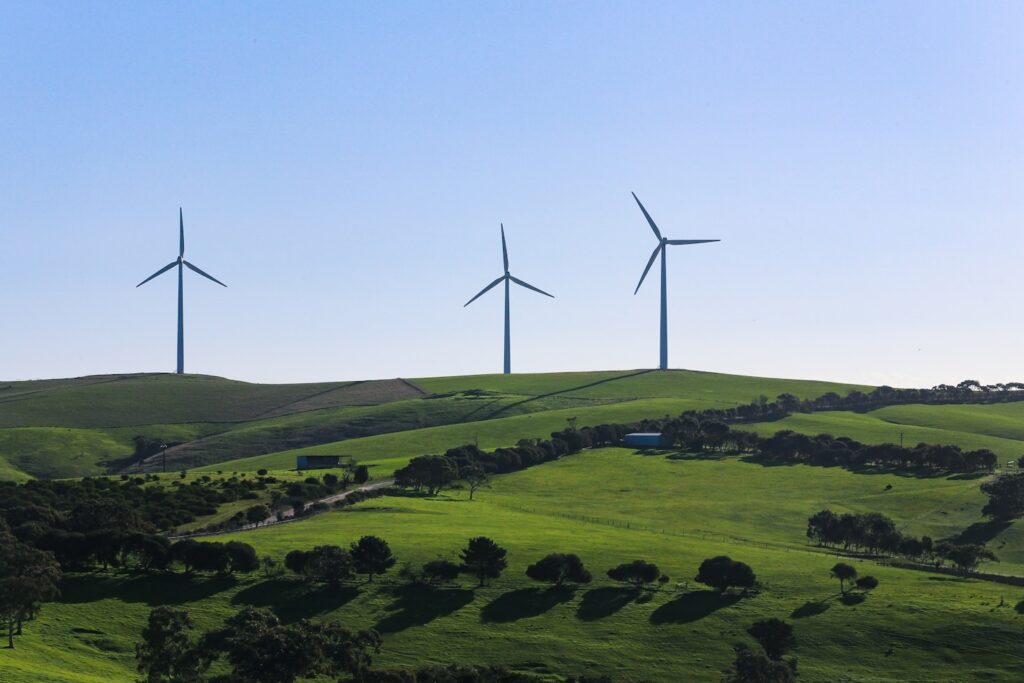
In recent years, wind energy has emerged as one of the most promising solutions for improving sustainability and energy independence in these regions.
Why Wind Turbines Are Important in Remote Areas
Wind turbines can generate clean electricity without requiring connection to large power stations or centralized electrical networks. This makes them highly suitable for:
- rural communities
- islands
- mountainous regions
- remote industrial sites
- agricultural areas
- research stations
By harnessing local wind resources, these systems can provide stable and sustainable energy while reducing environmental impact.
Advantages of Wind Energy for Isolated Regions
Energy Independence
Wind turbines allow communities to produce electricity locally, reducing dependence on expensive fuel transportation and external energy suppliers.
Reduced Environmental Impact
Unlike diesel generators, wind turbines generate electricity without greenhouse gas emissions, supporting cleaner and more sustainable development.
Lower Long-Term Operating Costs
Although the initial installation may require investment, wind systems typically offer lower operational and maintenance costs over time compared to conventional fuel-based solutions.
Hybrid Renewable Systems
Modern remote energy systems often combine:
- wind turbines
- solar panels
- battery storage
- smart energy management systems
This hybrid approach improves reliability and ensures continuous energy availability under varying environmental conditions.
Smart Technologies and Future Developments
Advanced monitoring systems and AI-driven energy management platforms are improving the performance of wind energy systems in remote areas. Intelligent control systems can:
- optimize turbine performance
- predict maintenance needs
- monitor weather conditions
- manage battery storage efficiently
These innovations are helping renewable energy become more reliable and accessible worldwide.
Supporting Sustainable Development
Reliable access to clean energy can significantly improve:
- education
- healthcare
- communication
- agriculture
- local economic development
For many remote communities, renewable energy technologies such as wind turbines are not only engineering solutions, but also tools for improving quality of life and supporting sustainable growth.
Looking Toward the Future
As global demand for sustainable energy continues to grow, wind energy is expected to play an increasingly important role in decentralized power generation. With continuous advancements in engineering, storage technologies, and intelligent energy systems, wind turbines are becoming a key component of the transition toward a cleaner and more resilient energy future.
Blog
This section provides an overview of the blog, showcasing a variety of articles, insights, and resources to inform and inspire readers.
-

Computational Fluid Dynamics: Understanding Airflow Around Objects
Computational Fluid Dynamics, often called CFD, is a powerful engineering method used to study how fluids move around objects. In many cases, the fluid is air, and the object can be anything…
-

Machine Learning for Improving Energy Yield in Solar Tracking Systems
The Evolution of Intelligent Solar Tracking As photovoltaic technology continues to expand globally, improving energy efficiency has become one of the main priorities in large-scale solar energy systems. Traditional solar tracking systems…
-
Wind Turbines and Their Role in Sustainable Energy for Remote Areas
Sustainable Energy Solutions for Remote Communities Access to reliable electricity remains one of the major challenges for many remote and isolated regions around the world. Areas located far from national power grids…

Leave a Reply