

The Rise of AI Agents in Modern Engineering
Artificial Intelligence is rapidly transforming the engineering world. Among the newest and most promising technologies are AI agents — intelligent digital systems capable of analyzing data, making decisions, automating tasks, and assisting engineers in real time.
From renewable energy systems to industrial management and predictive maintenance, AI agents are beginning to redefine how engineering problems are solved.
What Are AI Agents?
AI agents are intelligent software systems designed to perform tasks autonomously or semi-autonomously. Unlike traditional software, AI agents can:
- learn from data
- adapt to changing conditions
- make recommendations
- automate workflows
- interact with users intelligently
In engineering applications, AI agents can act as digital assistants capable of supporting analysis, monitoring, optimization, and decision-making processes.
Applications in Renewable Energy
Smart Solar Energy Management
AI agents can continuously monitor photovoltaic systems and optimize:
- panel orientation
- energy production
- fault detection
- cleaning schedules
- energy forecasting
Combined with solar tracking systems and sensor networks, AI-driven platforms can improve efficiency and reduce operational costs.
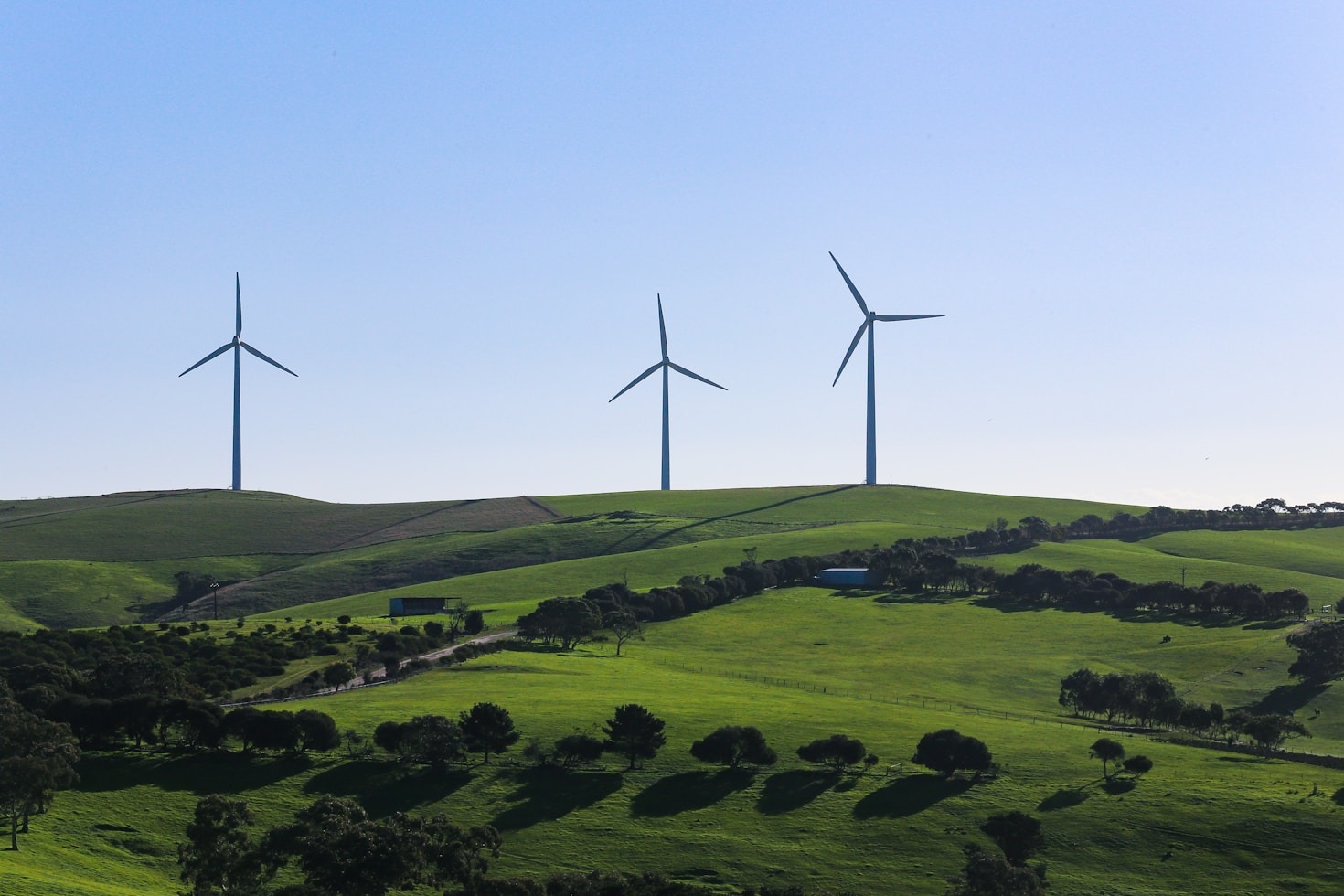
Wind Energy Optimization
In wind farms, AI systems help predict:
- wind patterns
- turbine performance
- maintenance requirements
- energy production fluctuations
This allows operators to improve reliability and maximize power generation.
Intelligent Energy Forecasting
One of the biggest challenges in renewable energy is variability. AI agents can analyze:
- weather conditions
- historical energy production
- environmental parameters
- market demand
to generate highly accurate energy predictions and support grid stability.
AI in Engineering and Industrial Management
Beyond renewable energy, AI agents are becoming powerful tools in:
- project management
- manufacturing
- logistics
- automation
- smart infrastructure
- industrial diagnostics
Engineering teams can use AI systems to:
- automate repetitive calculations
- analyze large datasets
- improve design workflows
- detect anomalies
- support maintenance planning
This reduces human workload and increases productivity.
The Future of Intelligent Engineering
The integration of AI agents into engineering systems is only beginning. Future intelligent platforms may operate as collaborative engineering assistants capable of:
- supporting research
- optimizing energy systems
- improving sustainability
- accelerating innovation
- assisting real-time decision making
As digital transformation continues, AI-driven engineering solutions are expected to become one of the key technologies shaping the future of industry and renewable energy.
ReERG Vision
At ReERG, we believe the future of engineering lies in the integration of intelligent technologies, renewable energy systems, and innovative digital solutions. AI agents have the potential to transform how engineers design, analyze, and manage complex systems while supporting a smarter and more sustainable future.
Blog
This section provides an overview of the blog, showcasing a variety of articles, insights, and resources to inform and inspire readers.
-

Computational Fluid Dynamics: Understanding Airflow Around Objects
Computational Fluid Dynamics, often called CFD, is a powerful engineering method used to study how fluids move around objects. In many cases, the fluid is air, and the object can be anything…
-

Machine Learning for Improving Energy Yield in Solar Tracking Systems
The Evolution of Intelligent Solar Tracking As photovoltaic technology continues to expand globally, improving energy efficiency has become one of the main priorities in large-scale solar energy systems. Traditional solar tracking systems…
-
Wind Turbines and Their Role in Sustainable Energy for Remote Areas
Sustainable Energy Solutions for Remote Communities Access to reliable electricity remains one of the major challenges for many remote and isolated regions around the world. Areas located far from national power grids…

Leave a Reply